Harmonizing Sound: Innovative Solutions for Enhancing Musical Experiences in the Deaf Community
Imagine a world where music transcends the limitations of hearing impairment, where the rhythm of a beat can be felt in the bones rather than just heard in the ears. This is not just a dream; it's a reality being shaped by innovative assistive technology transforming how the deaf community experiences melody. With a mix of sound engineering and communication technology, remarkable strides are being made to make sound accessible for everyone, making music an inclusive journey for those who once felt excluded from the magic of musical tones.
Have you ever wondered how a deaf person can enjoy the nuances of sound? The answer lies in the advancements of auditory tools such as hearing aids and assistive listening devices. These marvels of technology amplify the auditory experience, creating a bridge between the deaf community and the realm of music. Imagine feeling the pulse of a rhythm through vibrations — that’s the incredible potential of sound accessibility innovations. They allow the deaf to tap into experiences they might have thought were forever out of reach, moving the audience to a state of euphoria they might never have imagined before.
In the world of sound therapy and music therapy, the deaf community finds their own rhythm. With specialized techniques and the right digital audio equipment, therapists are crafting experiences that translate auditory information into physical sensations. Have you ever felt music through your entire being at a live concert? For those with hearing impairment, the experience can become even more profound as they engage with the music on a tactile level. It's about connecting with melody in a way that’s dynamic and deeply personal, creating a shared experience that can heal, inspire, and unite.
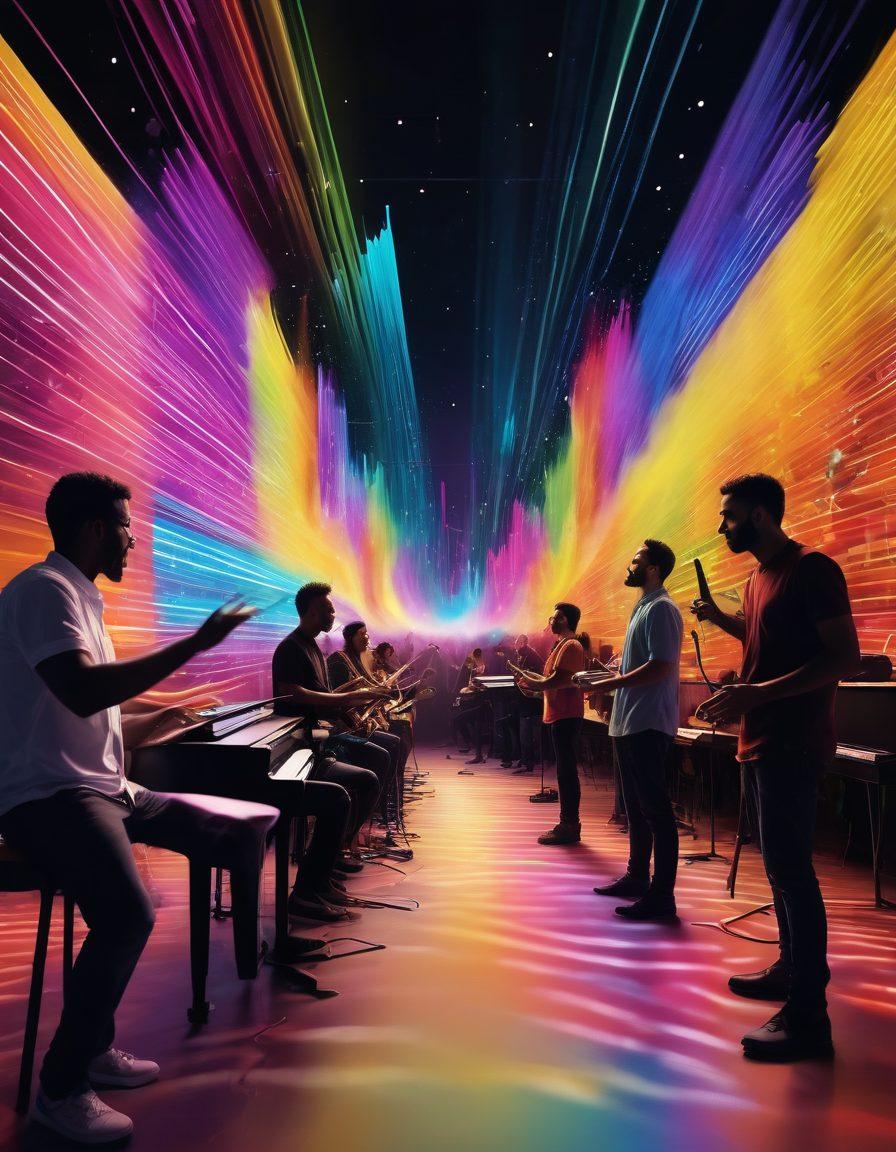
Moreover, the rise of inclusive music initiatives and sonic art installations further enhances how the deaf community interacts with music. Imagine exploring an installation where vibrations and lights synchronize to create a fully immersive experience, inviting people to dance and connect without the barrier of sound. Together, these innovations are forming a rich tapestry of experiences that transform traditional musical perceptions, showing us that even in absence, there can be a sense of presence that is rich, thrilling, and delightful.
As we accelerate toward a more inclusive society, it’s exciting to see how assistive technology is revolutionizing the way we understand and experience music. Will we one day see concerts where deaf and hearing individuals share the same space, each experiencing music in their unique way? This is not just a possibility; it is already happening. By embracing sound innovation and providing more auditory services tailored to diverse needs, we can create a harmonious existence where everyone, regardless of auditory capability, can connect through the universal language of music.
Rhythm and Resonance: Crafting Inclusive Music Experiences for All
Imagine walking into a vibrant room where every beat resonates through your body, each melody igniting a spark of joy in your soul. For many in the deaf community, this is often just a distant dream. But what if we told you that innovative solutions are emerging to craft inclusive music experiences that bridge the gap between silence and sound? Today, we delve into how rhythm and resonance can bring the magic of music to everyone, regardless of their hearing impairment.
The beauty of music lies not just in the auditory experience, but in its ability to evoke emotions, tell stories, and foster connections. For individuals experiencing hearing impairment, this connection has often been hindered. However, the realm of sound is expansive and not limited to what the ears perceive. Technology has evolved, embracing acoustic innovations that translate melodies into tactile sensations and visual stimuli. Can you imagine feeling the pulse of a drum through vibrations in the floor or seeing a symphony through the hues of colored lights synchronized with musical tones? This is the future of inclusive music experiences.
As we explore these advancements, it’s essential to highlight assistive technology that plays a crucial role in providing sound accessibility. From hearing aids that amplify specific sounds to digital audio systems that enrich the auditory experience, the innovations keep on flowing. The integration of communication technology within music therapy sessions is another groundbreaking development. Activities designed with hearing impairment in mind can utilize sonic elements to create an engaging environment where participants can both feel and express rhythm. Isn’t it captivating to think how something as simple as a rhythm can unify individuals in such unique ways?
One inspiring story comes from a local music therapy center that recently adopted sound innovation techniques. By using tactile sound systems, they transformed traditional therapy sessions into dynamic musical workshops. Participants would place their hands on the speakers and feel the vibrations while experimenting with different instruments. This created an atmosphere where everyone—regardless of their auditory abilities—could create, share, and express themselves through music. As one participant beautifully stated, "Music isn't only heard, it's felt deeper than you can imagine. It's the pulse of our existence."
So, how can we all contribute to this movement towards inclusive music? For individuals and organizations alike, initiating sound engineering projects that focus on creating diverse auditory experiences is crucial. Engaging with the deaf community, understanding their needs, and inviting their feedback can yield significant progress. Additionally, investing in sound therapy resources can enhance emotional well-being and promote inclusivity. Together, let us champion the creation of a world where music becomes an experience available to all, harnessing not just sound, but the vibrancy of our collective rhythm.
Sonic Innovation: Empowering the Deaf Community Through Sound Accessibility
When we think of music, we often picture swirling melodies and captivating rhythms that fill the air, but what if you could experience music in a way that transcends sound? For many in the deaf community, the world of auditory beauty is not easily accessible, yet innovative solutions are shifting this narrative. Music is not just about the audible beats; it's an experience that can touch the very soul through vibrations and visual stimuli. In this post, we will explore how sonic innovation and sound accessibility are paving the way for an inclusive music experience for those with hearing impairments.
Imagine a concert where every pulse of rhythm is felt through your entire body, where the connection to sound is not limited to what you hear but encompasses something deeper. Assistive technology is making this possible—through devices like vibrating speakers or wearables that translate music into tactile experiences. As sound engineer Jess Carr has said, "Sound is just one way to experience music, but rhythm—a universal language—can be felt by everyone." This innovation moves beyond mere technology; it's about embracing diverse methods of engaging with music, giving individuals in the deaf community a chance to feel the groove and sway along.
Every note has its own story, and for those who may not catch the melody through traditional means, there are pathways being created, from sound therapy to inclusive audio services. Imagine participating in a music therapy session where the focus is on biological rhythms and the pulsing of musical tones, allowing everyone to connect with the art form uniquely. This focused experience emphasizes the idea that the deaf community is not just a passive audience; they are vital participants in the music-making process. Just how transformative could this be for them?
Let’s not forget the pivotal role of communication technology in enhancing musical experiences. Assistive listening devices and advanced hearing aids cater specifically to those with hearing impairments, ensuring that acoustic details are not lost. Furthermore, the rise of digital audio tools that help create immersive environments means that artists can explore new methods of interaction—those previously unheard could be translated into vibrations or visuals, creating a wholly inclusive musical space. How astonishing would it be for someone, who once felt disjointed from the dance floor, to feel the music resonate with clarity?
As we approach the future of sound innovation, it's clear that we stand on the brink of a monumental change that welcomes everyone into the profound world of melody and rhythm. Building spaces where every vibration can be appreciated is essential for fostering an inclusive atmosphere for the deaf community. By harnessing technology, creativity, and empathy, we can unlock the rhythm of life for everyone, transforming not just how music is experienced but also how it connects communities and individuals. So, how can we work together to ensure that no one is left behind in the symphony of sound?